
Course
Write an introduction that summarizes the expected outcomes of this course.
-
-
Lesson 1
Introduce your lesson with an optional, short summary. You can edit this excerpt in lesson settings.
Introduce your lesson with an optional, short summary. You can edit this excerpt in lesson settings.
-
Lesson 2
Introduce your lesson with an optional, short summary. You can edit this excerpt in lesson settings.
Introduce your lesson with an optional, short summary. You can edit this excerpt in lesson settings.
-
-
-
Lesson 1
Introduce your lesson with an optional, short summary. You can edit this excerpt in lesson settings.
Introduce your lesson with an optional, short summary. You can edit this excerpt in lesson settings.
-
Lesson 2
Introduce your lesson with an optional, short summary. You can edit this excerpt in lesson settings.
Introduce your lesson with an optional, short summary. You can edit this excerpt in lesson settings.
-
About the Instructor
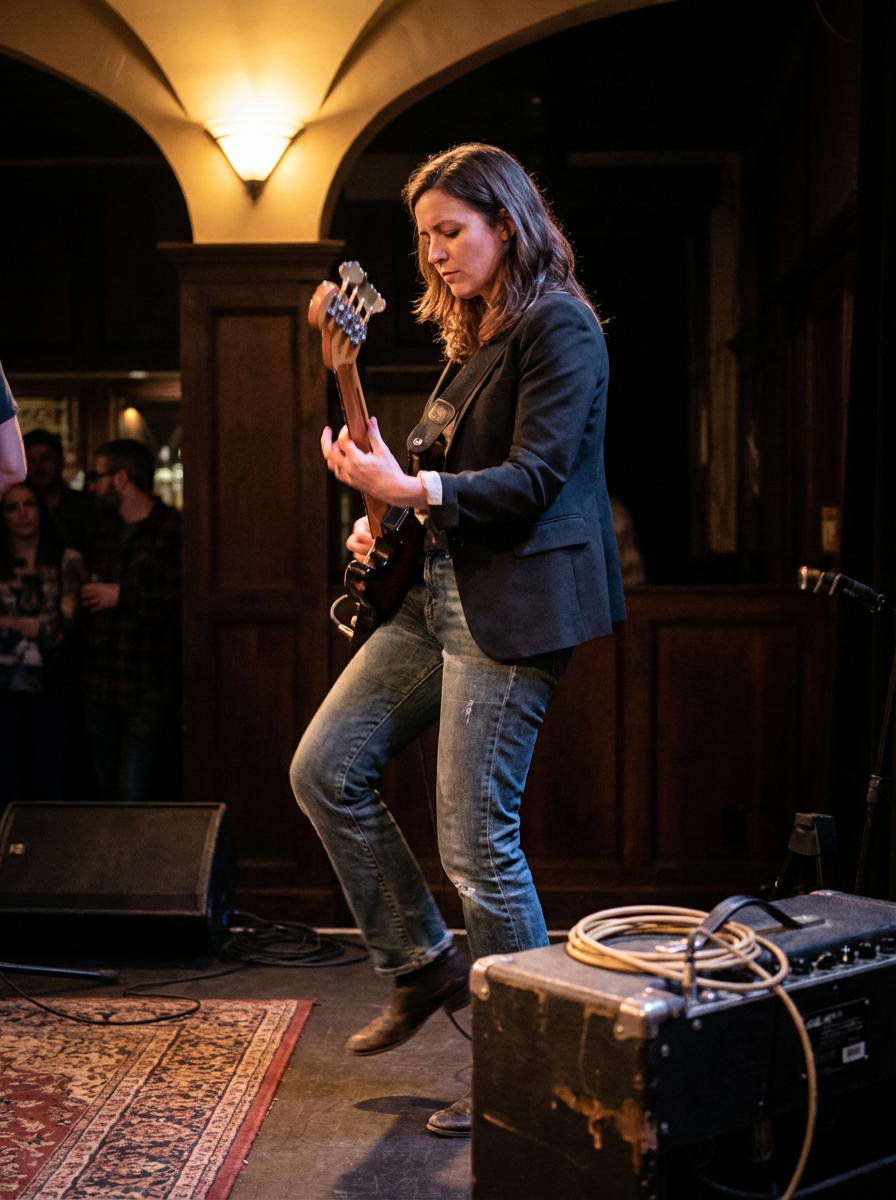
Your instructor possesses decades of field experience, has facilitated solutions for internationally recognized touring productions, and will methodically demonstrate techniques that transform theoretical knowledge into reliable on-site performance.
Frequently Asked Questions
-
The curriculum is presented through high-definition video lectures, detailed technical schematics, and downloadable reference guides that enable systematic practice between sessions.
-
Participants require a digital audio workstation, basic measurement microphones, and reliable monitoring headphones to implement the demonstrated calibration procedures effectively.
-
Yes, the instructional modules compare analog and digital workflows, offering step-by-step solutions that facilitate seamless transitions between platforms during live events.
-
Upon fulfilling all assessments, learners receive a verifiable digital certificate that substantiates their mastery of professional live sound engineering principles.